
The second plant is where a lot of manufacturers discover what their systems were really made of. A cable maker I work with opened a second unit two states away at around ₹130 crore, staffed it with good people, and had a working factory inside a year. What they did not have, eighteen months later, was a number either plant agreed on.
What changes when a manufacturer runs two plants?
The conventions do not travel
Your first unit runs on agreements nobody wrote down. What "ready for dispatch" means. When stores raises a shortage rather than absorbing it. Whether a job card is filled at the start of an operation or the end. Those conventions are why the place works and they exist entirely in the heads of people who have been there years.
A new unit with new people invents its own. Within a year both plants report "work in progress" and mean measurably different things, and the head office adds the two together anyway.
Inter-unit transfers are the fiddly part
Moving a semi-finished item from one unit to another sounds like stock movement and is not. If the units sit under different GSTINs, it is a supply between distinct persons: a tax invoice, an e-way bill, and value that has to be consistent at both ends. Under the same GSTIN in the same state it is a delivery challan instead.
Plants get this wrong in both directions. Some raise invoices where a challan would do and create reconciliation work for themselves. Others move material informally and find the gap at audit. Getting it right at the point of movement rather than at month end is most of the battle.
The stock nobody owns
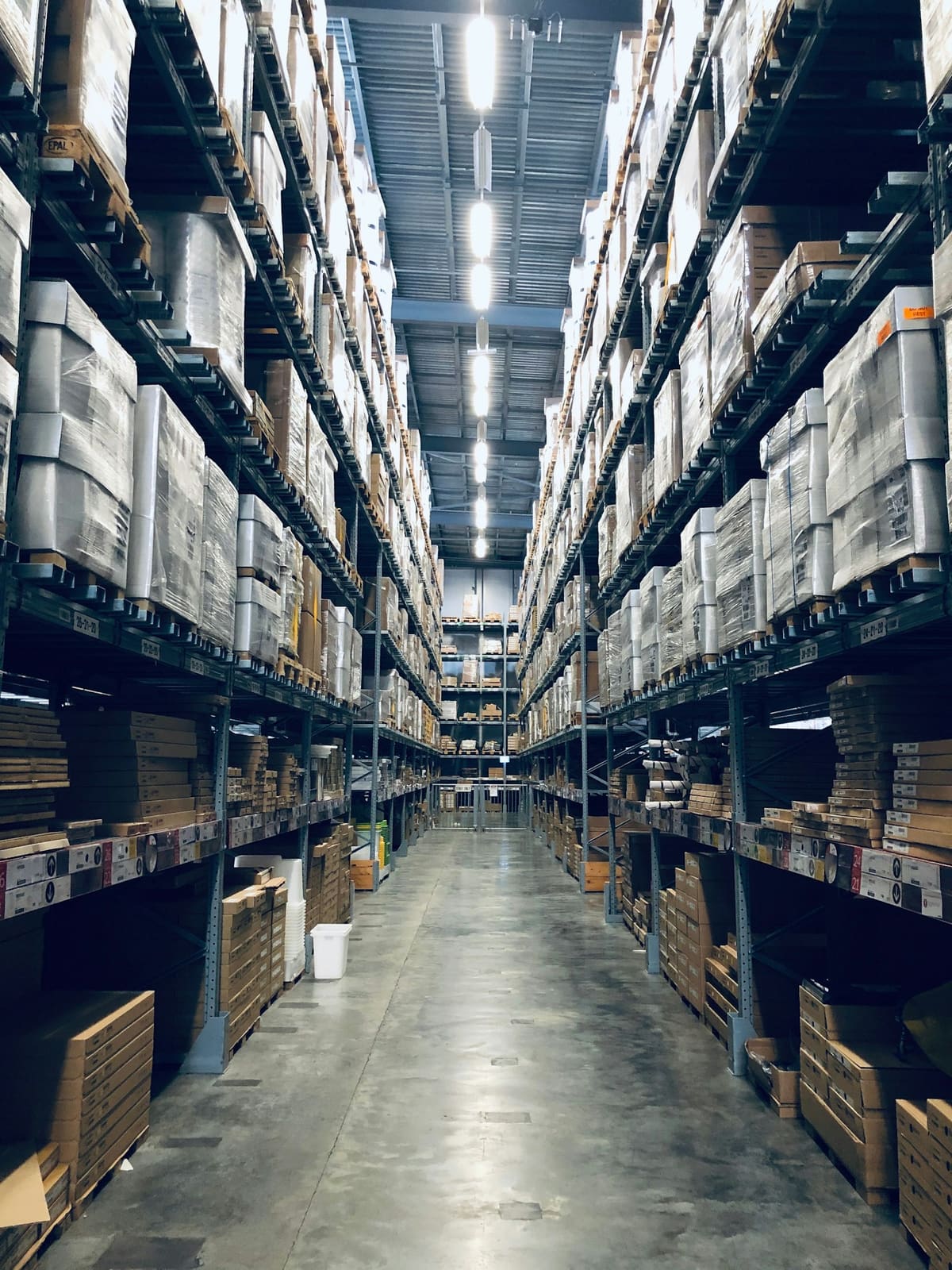
Material that has left unit one and not yet arrived at unit two belongs to neither plant's stock figure, and both are happy for it to be the other's problem. On a route with a two-day transit and regular movements, the in-transit balance is permanently significant and permanently invisible.
Making it a real state with a real owner is a small change that removes an entire category of argument. The same applies to what each unit holds on the other's behalf.
Combined reporting, and the adjustments inside it
This is the one with consequences. The board asks for group numbers, finance builds them in a spreadsheet, and to make the two plants comparable they apply adjustments: normalising a definition here, stripping an inter-unit sale there. Every adjustment is reasonable. None of them is visible to the person reading the summary.
Decisions then get made on a number whose construction only one team understands. The way out is boring and effective: both plants recording the same events the same way, so the combined figure is an addition rather than a reconstruction. That is the same argument as moving from an owner-run factory to a process-run one, applied across sites.
"Both units were honest and both units were right. They were just counting differently, and head office had been adding the two together for a year and a half."Cable manufacturer, Gujarat
Where to start
Do not try to unify everything. Start with the three things that have to mean the same thing in both places: what counts as ready to dispatch, how a shortage is raised, and when a job card is filled. Then make inter-unit movement a proper transaction with an in-transit state and the right document. Combined reporting falls out of those two rather than needing its own project.
If you are weighing this before opening the second unit, that is the right time. The scale at which it stops being optional is covered in what changes when a factory crosses 100 crore.
Facto runs multiple units on one system with multi-GSTIN despatch, inter-unit transfers and a real in-transit state, deployed by our own engineers one plant at a time. If you have a second unit coming, talk to our team before it opens rather than after.