
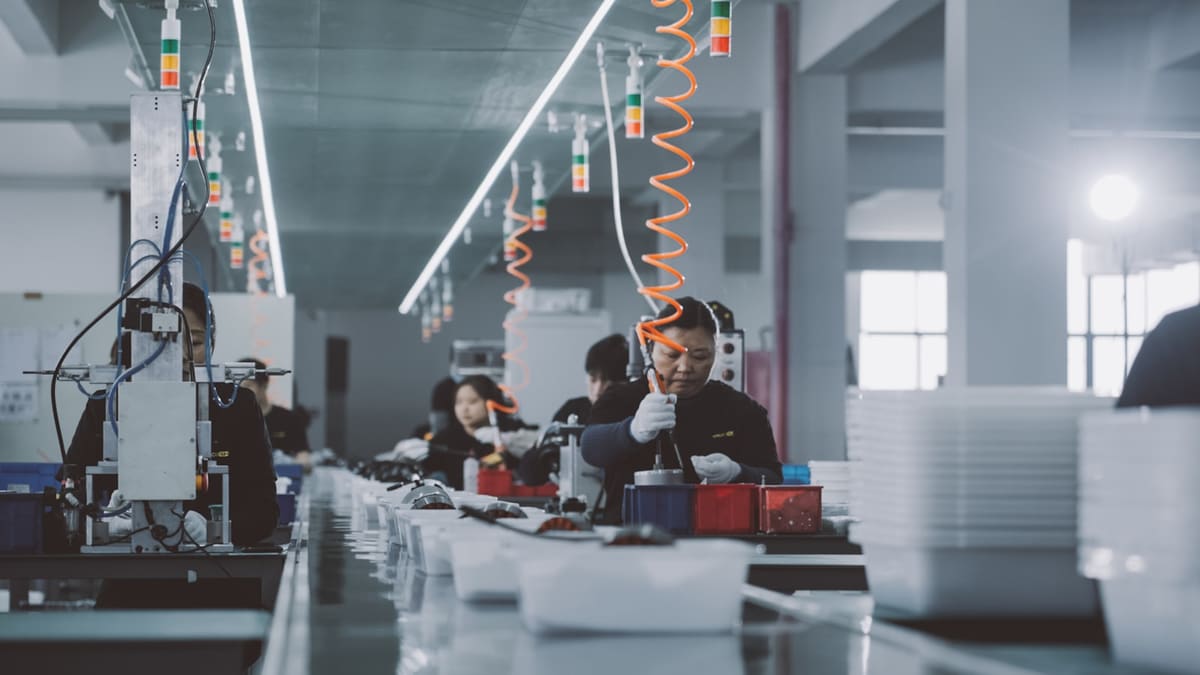

In week one, six people used it. There are fifty-eight people in the plant.
That's the honest starting point of this rollout, and we'd rather publish it than the version where everything works from day one.
Karm Machine Tools has been building stone processing machinery in Ajmer since 1984. Gang saws, multiwire saws, block cutters, line polishing machines, gantry and EOT cranes, water sedimentation plants. The Sehmi family runs it, it exports to Europe and the Middle East, and it's one of the few Indian companies making a multiwire saw at all.
It's also a plant where, before Facto, nobody on the shop floor had used a piece of software for anything.
How do you get a shop floor that has never used software to adopt an ERP?
Who was being asked to change
Fifty-eight people. Fabricators, welders, machinists, fitters, crane operators, a stores in-charge. Many have been at the Gegal unit for fifteen or twenty years. Several are better at what they do than anyone who has ever tried to sell them technology.
The plant ran on registers and on memory. A production supervisor who'd been there long enough could tell you, without checking anything, which machine was at what stage and what was holding it up. That worked for a long time, and it worked because he was good at it. It also only worked while he was standing there.
The resistance had little to do with computers
We expected "I don't know how to use this", and we heard it. Sitting with people long enough, though, it turned out to be cover for three other things.
If I enter that this job took eleven hours, someone is going to ask me why it wasn't eight. Every entry felt like evidence in a case nobody had filed yet.
My hands are covered in cutting oil. Literal, completely fair, and it ruled out any solution involving a desktop terminal in an office.
And from the supervisors, unsaid but obvious: if the system knows where every machine is, what am I for?
That last one is the real resistance in almost every plant we walk into, and training doesn't solve it, because it was never a training problem.
What moved the number
Hindi, on a phone. The screens the floor uses are in Hindi, on the handset already in the operator's pocket, with entries that take under fifteen seconds. Anything slower than the register it replaced would have been rejected, and rightly.
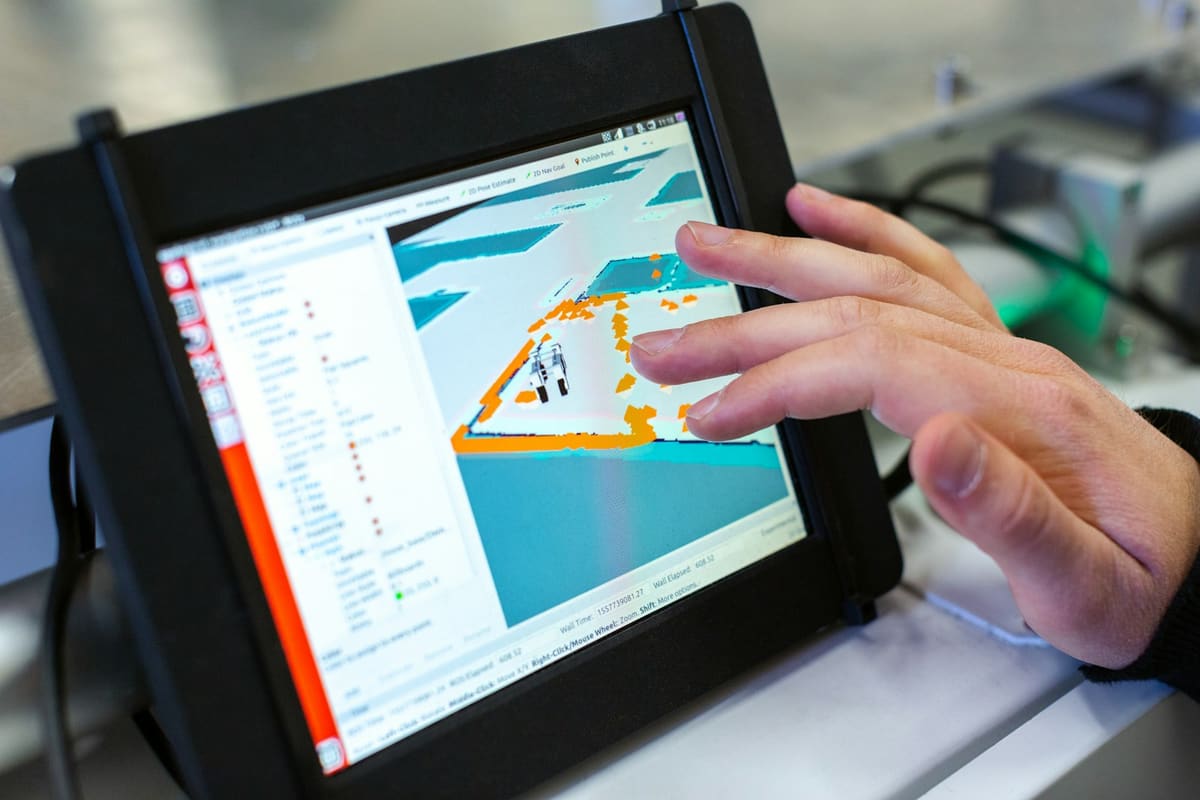
One module, not twelve. We switched on production job tracking and left everything else off. Stores came three weeks later, purchase after that. Every module we didn't switch on was one less reason to reject the whole thing.
Our engineer stood on the floor for eleven days. Next to the machine, doing the first entries alongside the person who'd be doing them afterwards. The conference-room sessions came later, once there was something worth training on.
The supervisors were made owners. This was the decision that mattered most. The two senior supervisors got the review screens first, before anyone below them entered a single job. They got the dashboard. They stopped being the people the system watched and became the people it reported to.
Daily use went from six in week one to forty-one by week twelve, and it hasn't dropped below that since. The generic version of this curve, and what to do in each phase of it, is in our note on the first thirty days of a shop floor rollout.
What it found once people used it
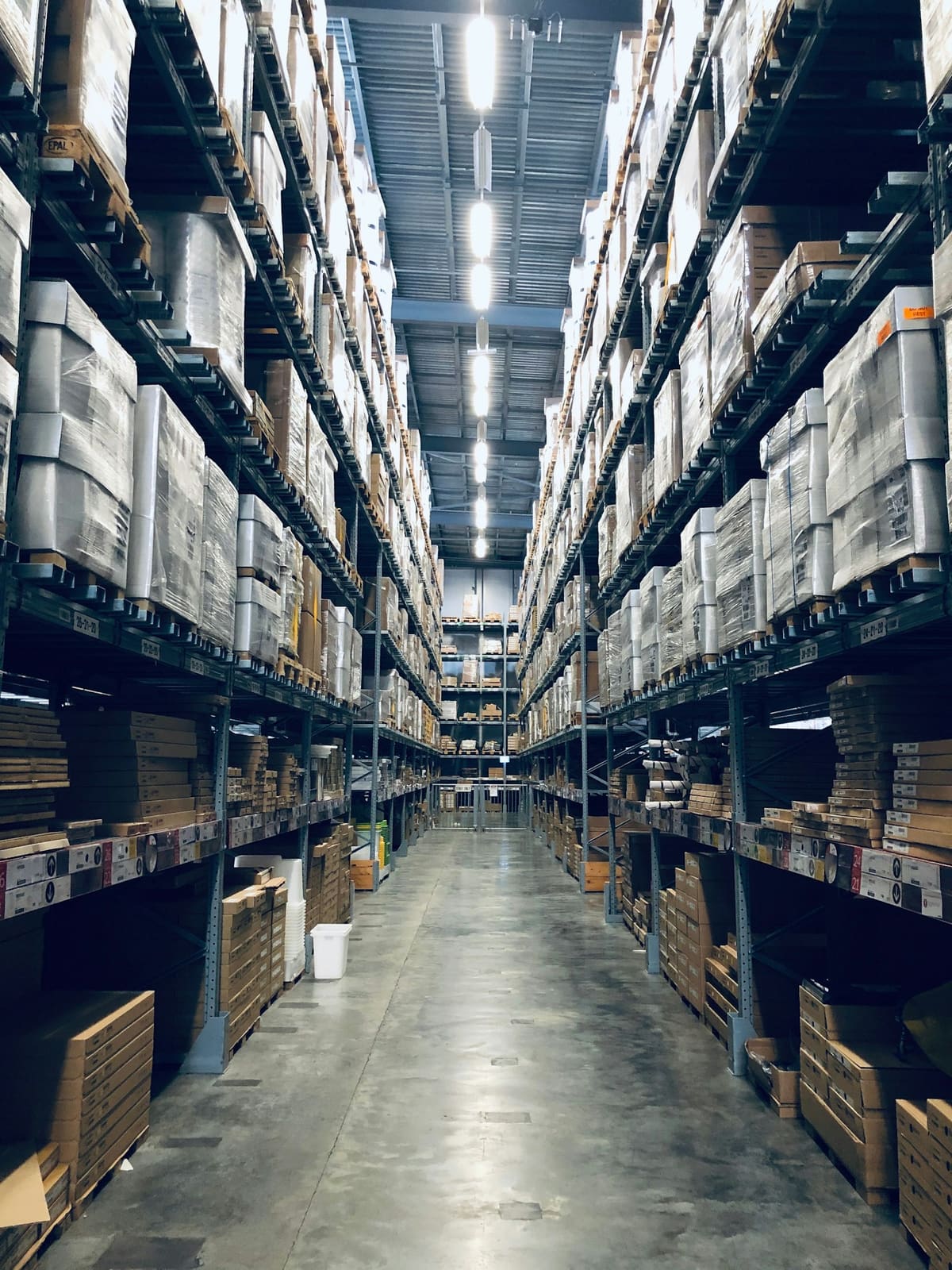
The store. A make-to-order machinery shop buys hundreds of bought-out items per machine: motors, gearboxes, bearings, hydraulic power packs, VFDs, panel components. They arrive against specific orders, and when a customer changes a specification or a machine gets reconfigured, they stay. Nobody knew what was on the racks.
The first full stock take under Facto surfaced ₹18 lakh of bought-out material that hadn't moved in over a year, including two gearboxes that had been bought a second time because nobody knew the originals were sitting there.
Where each machine had got to. A customer waiting on a gang saw wants a date. That answer used to require walking the floor and asking. Each machine is now a work order with its sub-assemblies underneath it, so a delay shows up as a specific pending item instead of a general feeling that things are behind.
On-time despatch went from 62% to 84% across two quarters. Most of that gain came from hearing about a delay in week three rather than week seven.
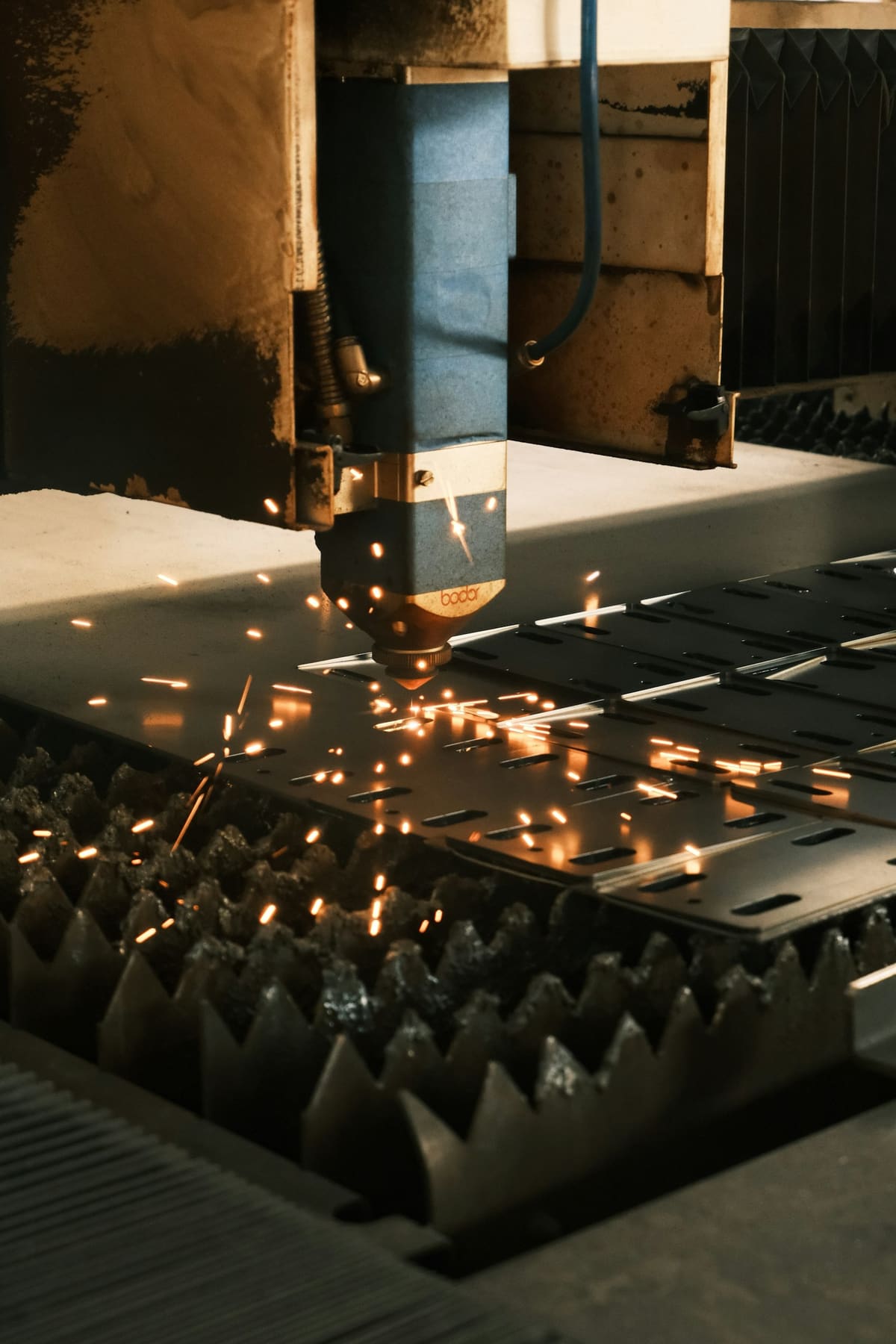
The plate. Fabrication scrap was the number nobody had measured, because measuring it meant weighing offcuts and there'd never been a reason to. Once cutting was booked against jobs, MS plate utilisation came out at 78%. Some of that is unavoidable nesting loss. A meaningful part of it was cutting to the wrong dimension and doing it again.
Utilisation is now 86%, and rework has come down from 11% of total jobs to 6%. The same arithmetic applies in almost any fabrication shop, which is the subject of our piece on cutting raw material wastage.
Our factory operations are now completely digitized. Facto adapted well to our complex manufacturing workflows.Ajit Sehmi, Director, Karm Machine Tools
What we'd tell another job shop
If your floor has never used software, the adoption curve stays flat for about three weeks and then it moves. Budget for the flat part. Most rollouts get abandoned during it, by management rather than by the floor.
Give the supervisors the system before you give it to the people they supervise. If the first thing a senior man experiences is being measured by a tool nobody consulted him about, you've made an enemy of the one person whose cooperation decides the outcome.
And be straight with the floor about what it's for. We told the operators at Gegal that the system would show where jobs get stuck. It does. It also shows who is slow. Saying that on day one beats pretending for a month and having them work it out in the second.
What we configure first for a make-to-order machine builder, from bought-out items booked against the job through to plate utilisation, is set out on our job shop and fabrication page.
Karm Machine Tools Private Limited manufactures stone quarrying and processing machinery from RIICO Industrial Area, Gegal, Ajmer, and exports to Europe, Asia and the Middle East.
If you're worried your floor won't use it, that's the right thing to worry about. Book a walkthrough and ask us specifically about adoption.